The island of Malta, located in the Mediterranean Sea between Sicily and North Africa. With 316 km2 it’s the tenth-smallest country in the world by area. Even though it’s small, it has a lot to offer.
We lived in Malta for two years in, and we had a magical time. In this blog, we want to talk about how it is living on this small island. This is just our experience, and we will give our pros and cons about living on Malta. We hope this will give you an insight about life in Malta.
Malta għandha post speċjali f’qalbi
The following will be discussed in this blog
Tip important to know that in Malta they drive on the left side of the road.
Why Choosing Malta
Malta is known for the crystal-clear waters, a long history and a lot of sun. These were not the reasons why we chose Malta, but afterward these reasons would have been enough, just kidding.
Below, we will give some reasons why you should move to Malta or why you shouldn’t. We will also explain why we moved to Malta, as this country was a coincidence for us.
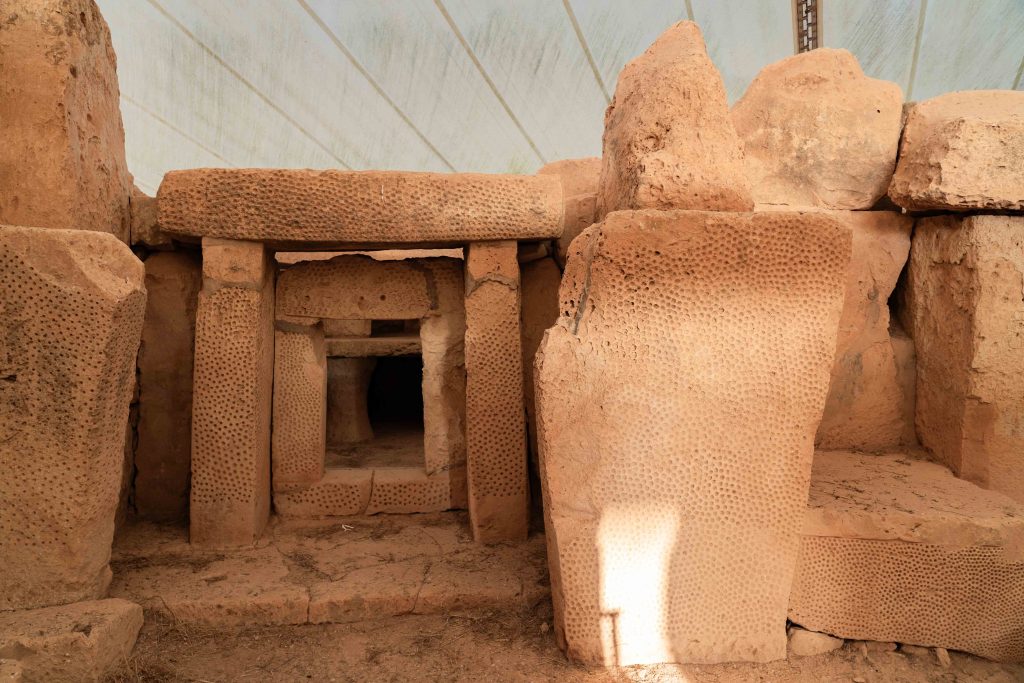
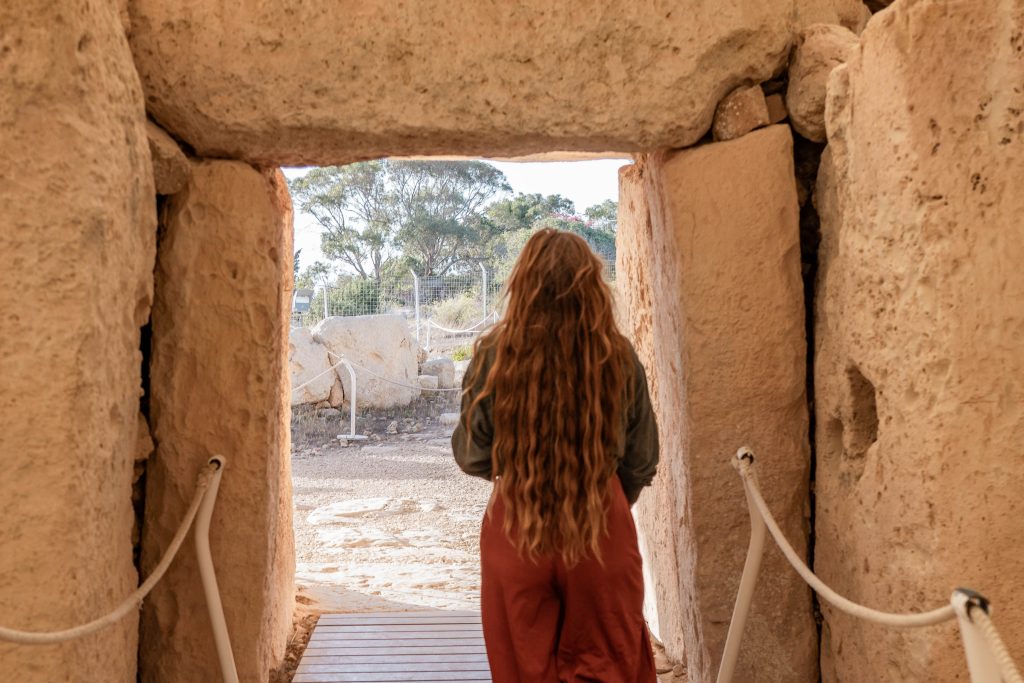
We will give some good reasons why you should move to Malta:
- More than 300 years of sun per year with mild winters.
- The warm Mediterranean climate.
- Vibrant history with a mix of Arabic, European and colonial influences.
- Big expat community but make sure to get to know some locals as the Maltese are incredible.
- To try out the island life.
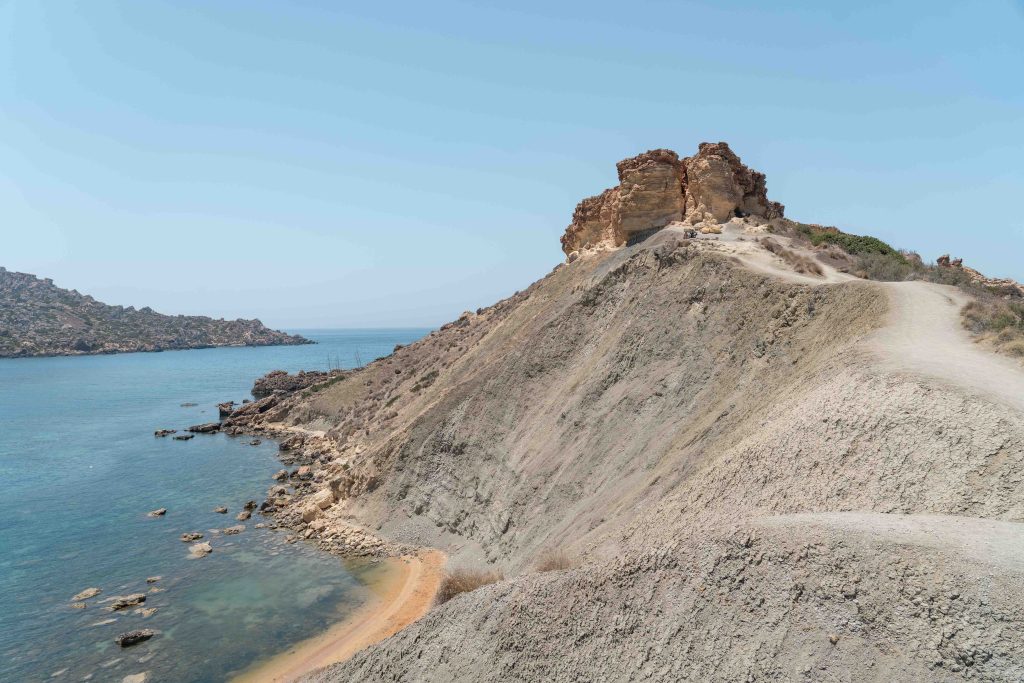
- Beautiful beaches, swim spots and diving spots.
- Amazing climbing spots and sea level traversing places.
- The country is safe if you are comparing to some other countries.
- There are festivities the whole year round. From Carnaval, to fireworks and ‘festa’s’ or the villagers’ festivities. There are many cheap and free festivals during the year.
- English is an official language, so most people speak English. This also makes it easier to find a job, as a lot of jobs are in English.
- The tax is low, which is good for your salary.
- If you live in Malta, then public transport like the buses and ferry from Sliema to Valletta are free of charge with your Talinja card.
- It’s an EU member state (Schengen zone), which means freedom of movement inside Europe.
Some reasons why you should NOT move to Malta:
- The nature is beautiful, but as it’s a small island it can sometimes feel restricted. Most hikes are rocky coastline that are magical, but you have seen it after a while.
- Summers are hot, and the humidity is crazy.
- The cockroaches are everywhere in some places. Don’t rent an apartment on the first floor near restaurants and or bars. Take an apartment high above ground floor.
- Food can be expensive as a lot of it is import and many fruit or vegetable you can’t find.
- There is a lot of construction going on, which lead to an ugly view and a lot of noise.
- Rental prices are skyrocketing, especially in Sliema, St, Julian’s and Valletta. Even outside these cities, prices are going up.
- It’s an island, which means you need to take a boat or plane to go to another country. Flights can be quite expensive.
- During peak hours, the buses are overcrowded. Besides that, the buses are unreliable.
- The traffic is insane, for such a small island it can take a long time before you arrive somewhere.
- The island is getting expensive, but well, which country isn’t?
Now, the real reason why we moved to Malta. After working for a season in the French Alps, we went back to Belgium, and it didn’t feel right. Once you moved to another country, you’re the expat. You will never be Belgian anymore, but also not the nationality of the other country. You are in between, the expat. Believe me, you will understand once you lived in another country.
Anyway I just started applying on random jobs all over the world, and before I knew it, I could start in Malta, so we packed our bags and moved. We didn’t have any plan, we just booked a hotel for a week and tried to find an apartment. Good to know, you can find an apartment in a week.
Where to live in Malta
Malta is small, so you can get around by Bolt (taxi) or by bus. It depends on what you are looking for where you should live in Malta. We lived in Saint Paul’s Bay and loved it. It’s more up North and less crowded. Also, it’s easier to go for hikes in nature or go on adventures like climbing as some impressive climbing spots are in Mosta, Naxxar, and Xemxjia.
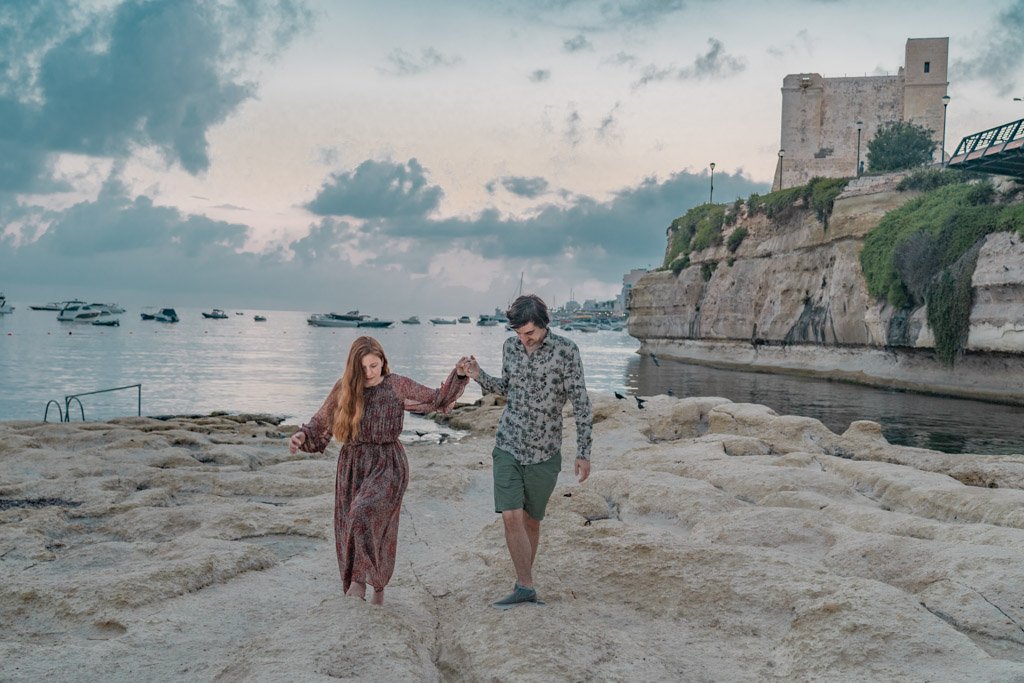
We will explain some different places where you can live.
- Sliema & St. Julian’s: two cities where you will find the most expats. It’s crowded and more expensive to live. Besides that, it’s modern, coastal, full of cafés, coworking spaces, and nightlife. Near these places there is Gżira and Msida that are a bit cheaper to live. Also, Swieqi and Pembroke are the places where you will find many expats or students.
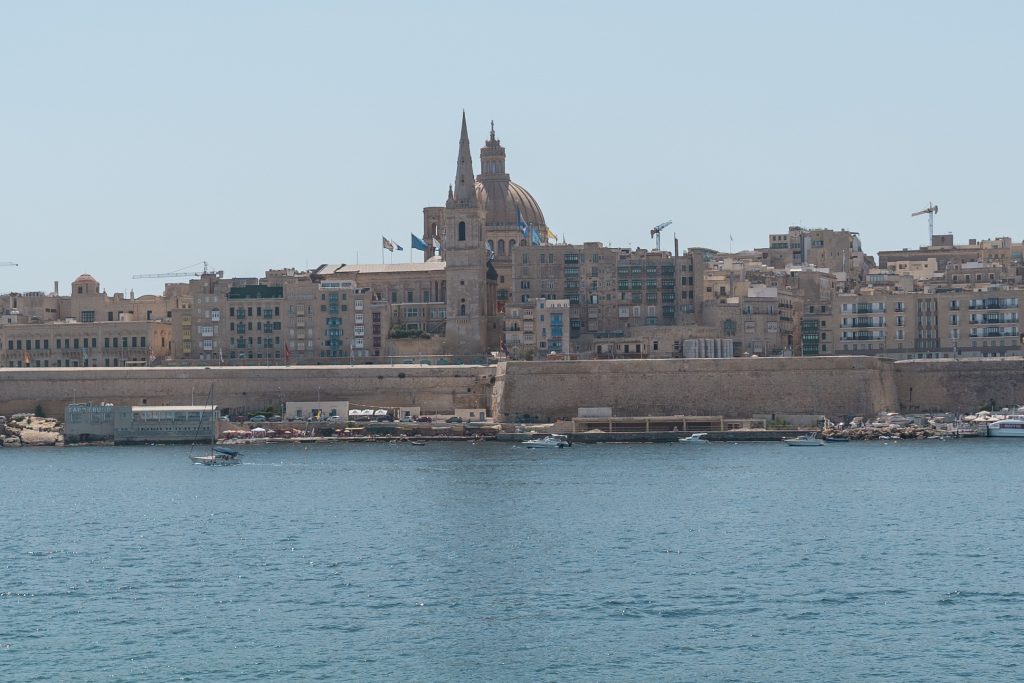
- Valletta: the beautiful capital where there is always something to do. From here you can easily take the ferry to Sliema or take the buses all around the island. There is also a fast ferry going from Valletta to the other island, Gozo.
- Saint Paul’s Bay with Buġibba and Qawra: located in the North and quieter during wintertime. From here you can easily go hiking to Xemxija or Għajn Tuffieħa, climbing in Mosta, and a lot more. It’s an amazing place to go on adventures and to go easily to the center of Malta.
- Mellieħa: up in the North of Malta with fewer expats. In Mellieħa you live further from the centre but closer to Gozo Island.
- Birżebbuġa & Marsaskala: is in the South of Malta. Birżebbuġa is a harbour city where it’s cheaper.
- Living more between the locals in the villages Siġġiewi, Rabat, Mosta.
If you prefer to be more distanced from the expats, and the busy life, than you can move to the island of Gozo. In Gozo you will have more peace, but it can be tricky if your job is in Malta as it’s on another island, and you will need to take the ferry.
Cost of life
Before we moved to Malta, we thought Malta was cheaper but once we lived there, we noticed life is more expensive than we thought.
Even during the 2 years that we lived in Malta, prices were going up. Our rent luckily stayed the same during those 2 years, but after us the same apartment went up with 300 EUR a month for the next tenants.
- Rent is around €900–1,200 a month for an apartment. The price depends on the location, if you would live more in the North or South, it can be cheaper than when you live in the center of Malta. Renting a studio or a room will be cheaper. Shared apartments are €400–700 per month.
- Utilities like water and electricity is around €50-150 a month, depending on how much you shower and if your stove works on electricity or on gas (a gas bottle costs €15 and lasts several months). For basic internet, you pay around €25 a month.
- For food, it depends on what you eat and which supermarket you go. The Lidl is cheaper than for example Greens Market or Wellbee’s. It can be around €200–300 a month.
- The public transport is free in Malta if you live there. You can get a Talinja card for the buses, and you only need to pay an administrative fee for the card that will be delivered to your address in Malta. With your card you can travel for free with the bus, on the ferries connecting Sliema to Valletta, and the ferry of The Three Cities to Valletta, as well as the Barrakka Lift. Besides public transport, you can take the Bolt, which is like Uber.
In total, your monthly pay can be around €1,175-1,675, but of course it all depends on how you live. This is only a calculation on the average, but you can make it way cheaper or way more expensive. Living on Gozo or away from the coastline will be less expensive.
Working in Malta
Finding a job in Malta can be easy or hard depending on which language you speak. Most of the time, you need to speak good English for the communication in the company. If you speak another language this can help you find a job, for example there are many job openings if you speak Dutch or French.
Popular sectors to work are iGaming, tourism & hospitality, finance & banking, IT & software development and customer support roles.
The salary can go from €1,200-… for a full-time job. The average gross salary in 2024 was ~€1,700–2,000/month. The income tax ranges from 0%-35%. A full-time job is normally around 40 hours per week, with 25 paid leave.
The EU/EEA/ and Swiss citizens do not need a permit to work in Malta; they just need to register. Non-EU citizens need a Single Permit, combined work and residence permit.
More about this you can read in my blog What to know when moving to Malta & What to know about Malta.
Why we left Malta
We had an amazing time living in Malta, but for us, it was a chapter in our life and not our end destination. After living in Malta for 2 years, we found it too crowded, too small and too limited. It was a nice experience, and we had the time of our life. We met some amazing people, but as for many people in Malta it was a stopover and not the end destination. After writing down the pros and contras about living in Malta, we noticed that there were too many contra points that for us were too important.
In Malta, we felt sometimes trapped, and we want to feel free. We want to have access to the mountains, the sea, the big city life and the quiet countryside. We want to take the car and drive with no end destination. Furthermore, we searched for a place that has it all, and we decided to move to Málaga, Spain.
Now we have it all, we can drive to the mountains to go skiing in the winter or hiking in the summer. We can lay on the beach, or we can easily visit Morocco, Portugal and Gibraltar. There are big cities and little villages. The weather is the same as in Malta but less humid and flights are way cheaper. There are cheap flights to the Canary Islands or other countries in Europe. Of course, there is also a downside, there is no country that is perfect. You just need to figure out what is important for you and see what’s best for you.
More about our experience in Málaga will follow on our blog. Stay tuned for our adventures in Spain.
This post may contain affiliate links, meaning we earn a small commission from some companies mentioned in this post. There's no additional cost for the reader when using an affiliate link. Read the full disclosure here.